Category Archives: Science

Clothespin – Helps Fine Motor Development

Standard

Toddlers and preschoolers alike are often independent in nature wanting to accomplish many tasks with little or no help.  In our daycare we allow children to explore, discover and learn about their environment in many ways.

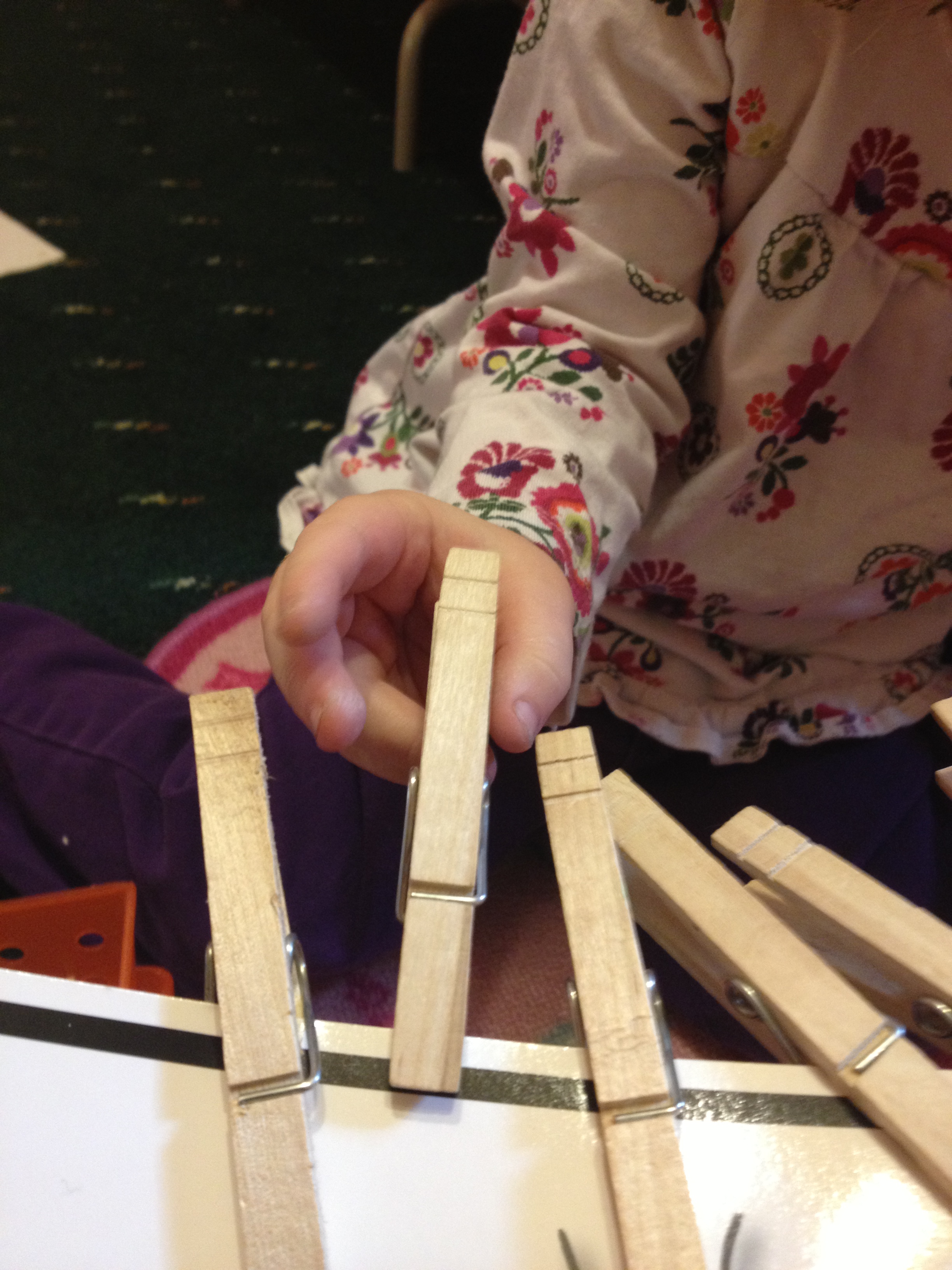
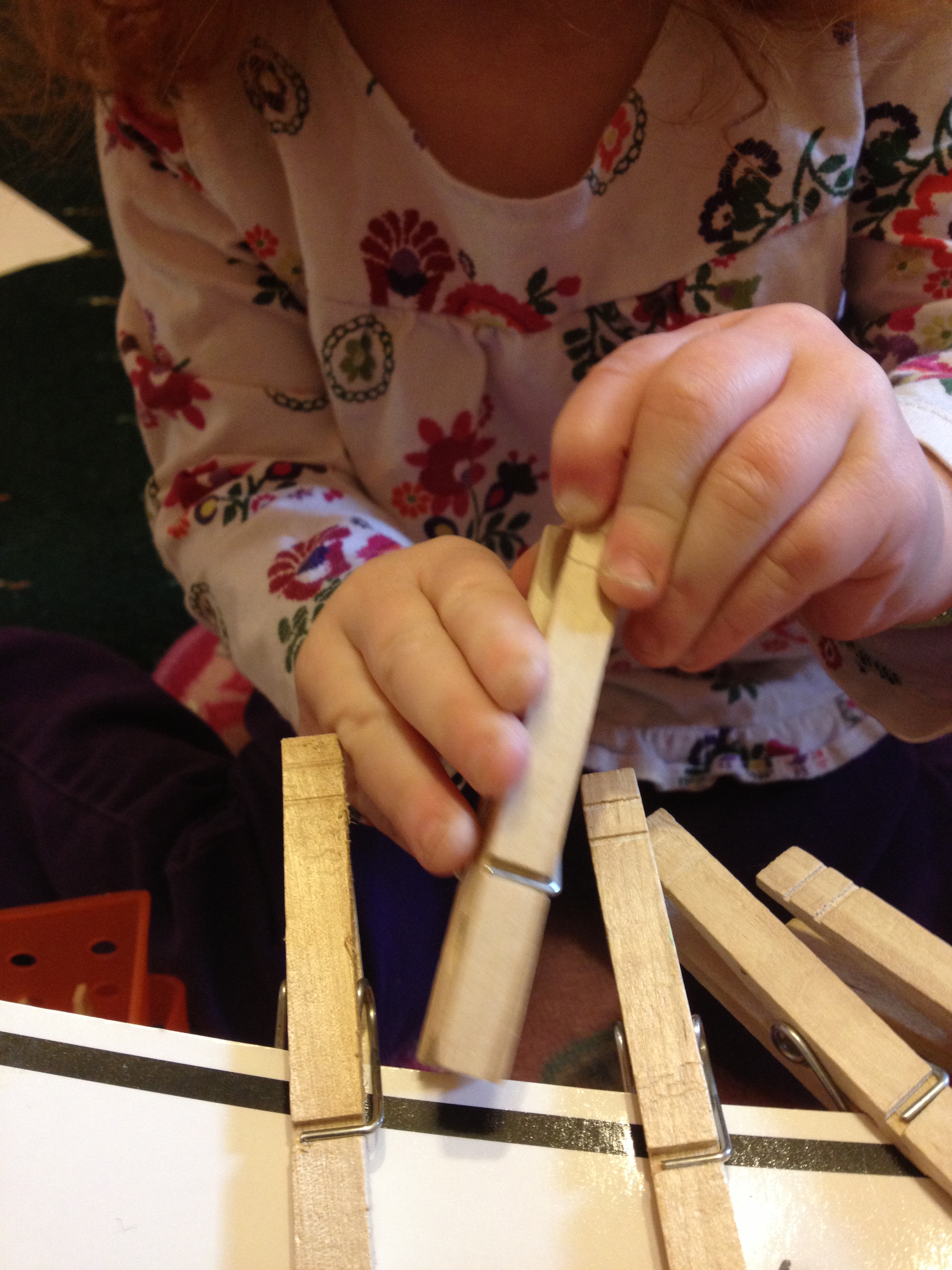
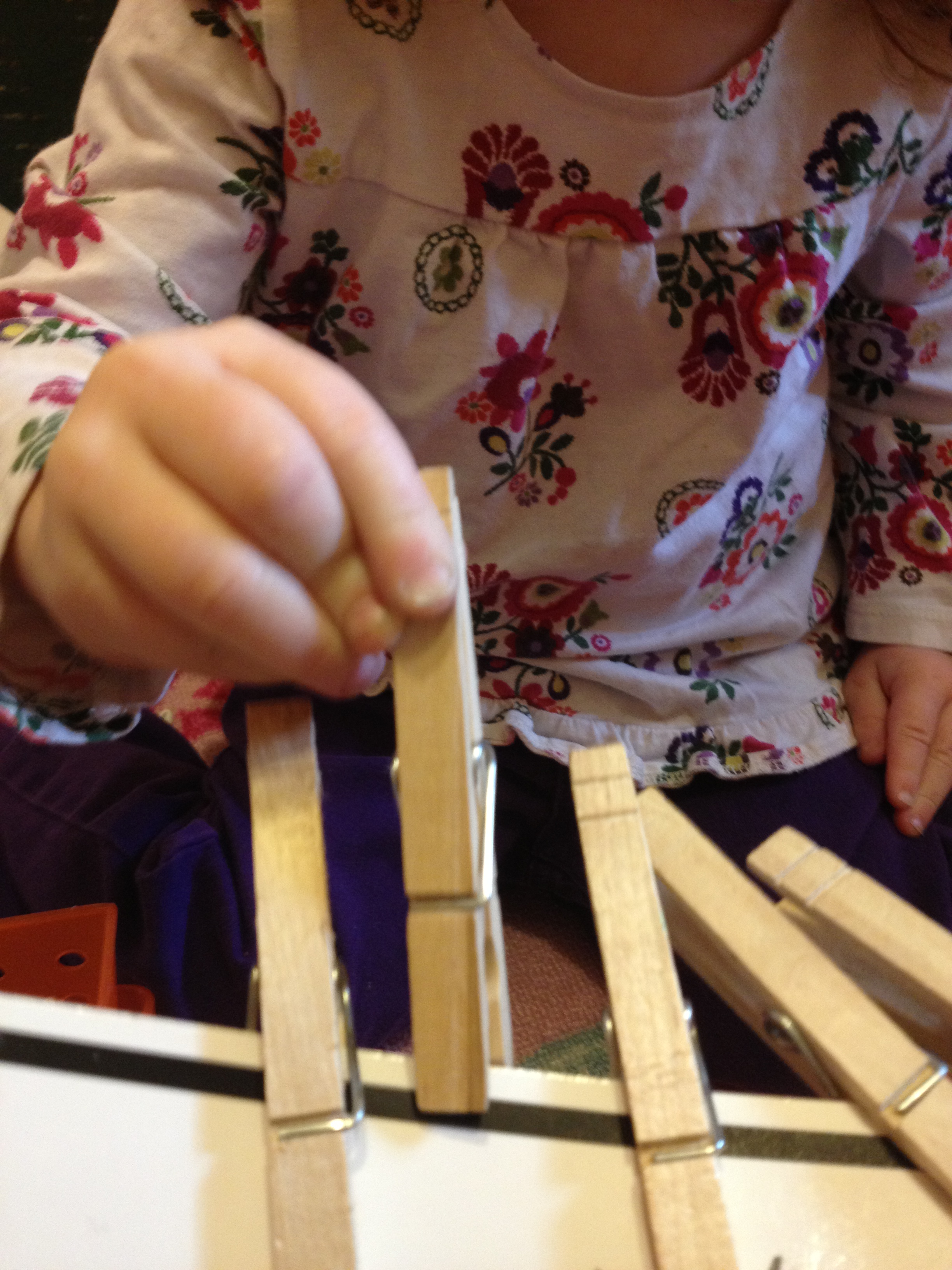
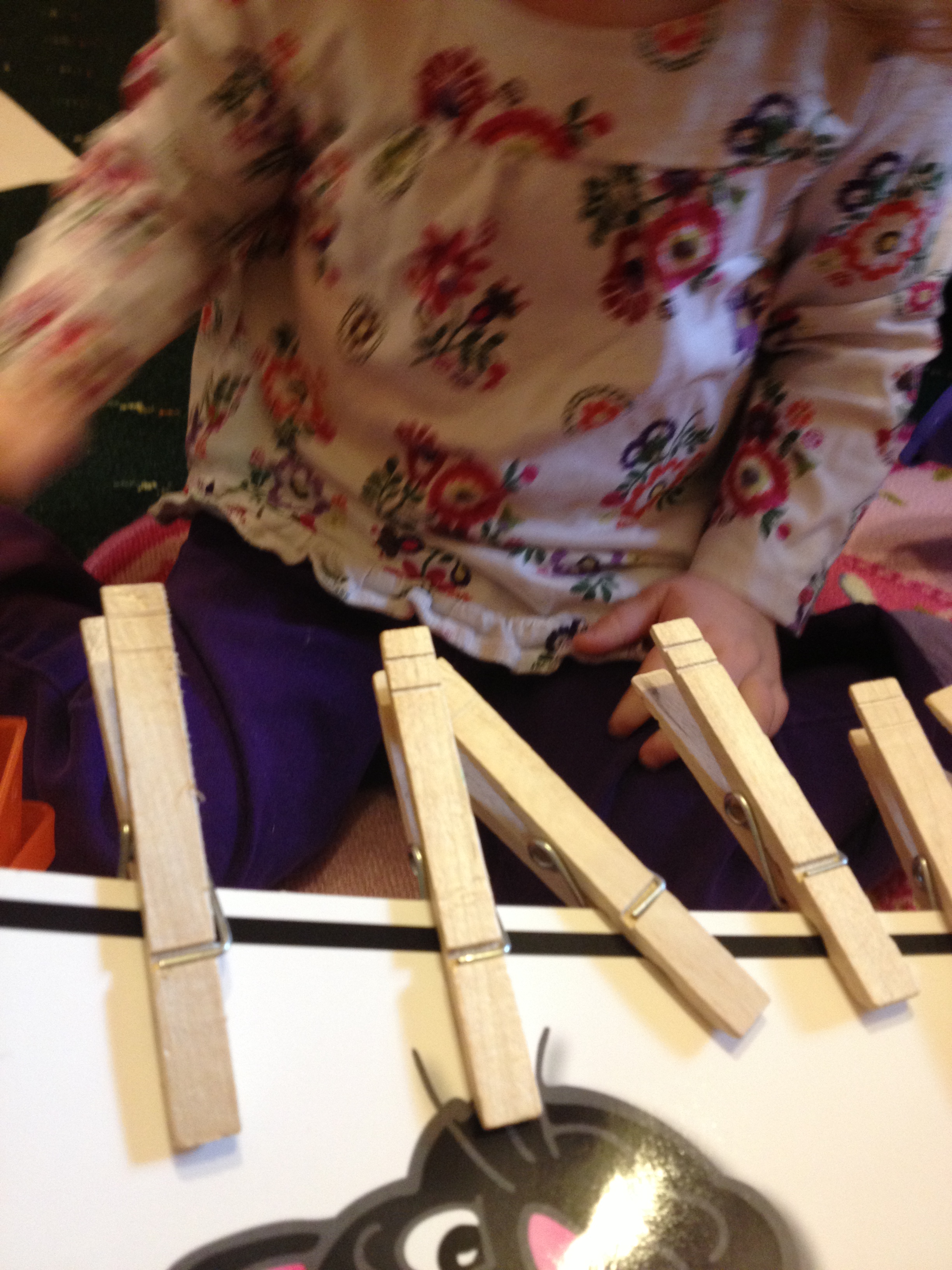
Here we have a toddler learning how to pin the clothespin.  You may ask why?  The clothespin is helping her learn skills that will further enhance zipping, buttoning,  and other activities for managing her body.  It also teaches her to become gradually sufficient with drawing, painting and writing skills.

All stocked and ready to be moved around

IMG_4903

Notice her finger placement

IMG_4911

She is using both hands to help open the pin.  With continued practice she will be able to do this with one hand.

IMG_4909

She is already improving and using one hand

IMG_4907

She is still learning mastery but notice she is holding more pins in her hand while placing a pin on the paper.

IMG_4904

Fine motor skills help young children to string beads, tie shoe laces, put together puzzles, cut and paste and build creative arts.

Want to know more about our services? Give us a call 630.433.8791

Painted Snowman

Standard

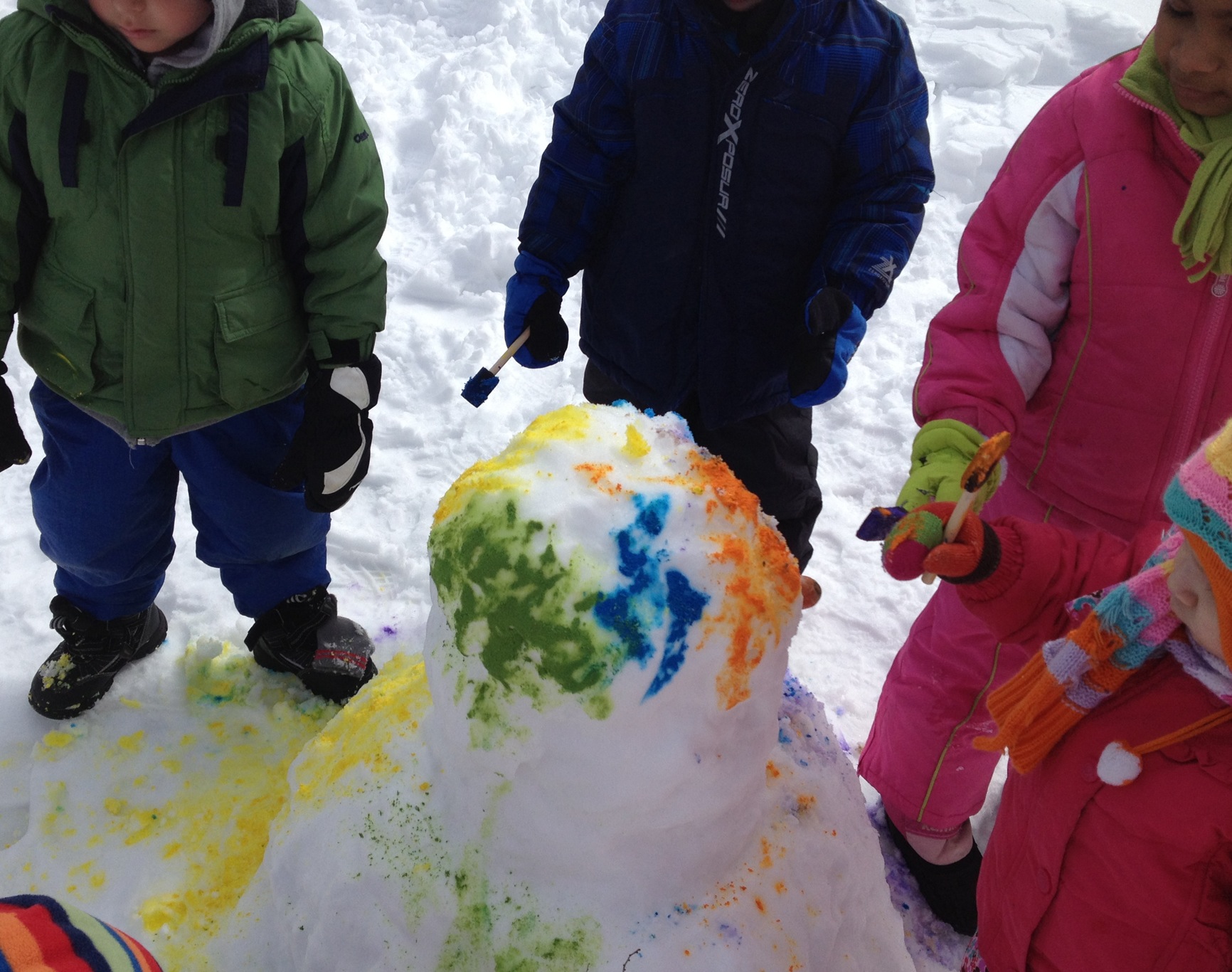
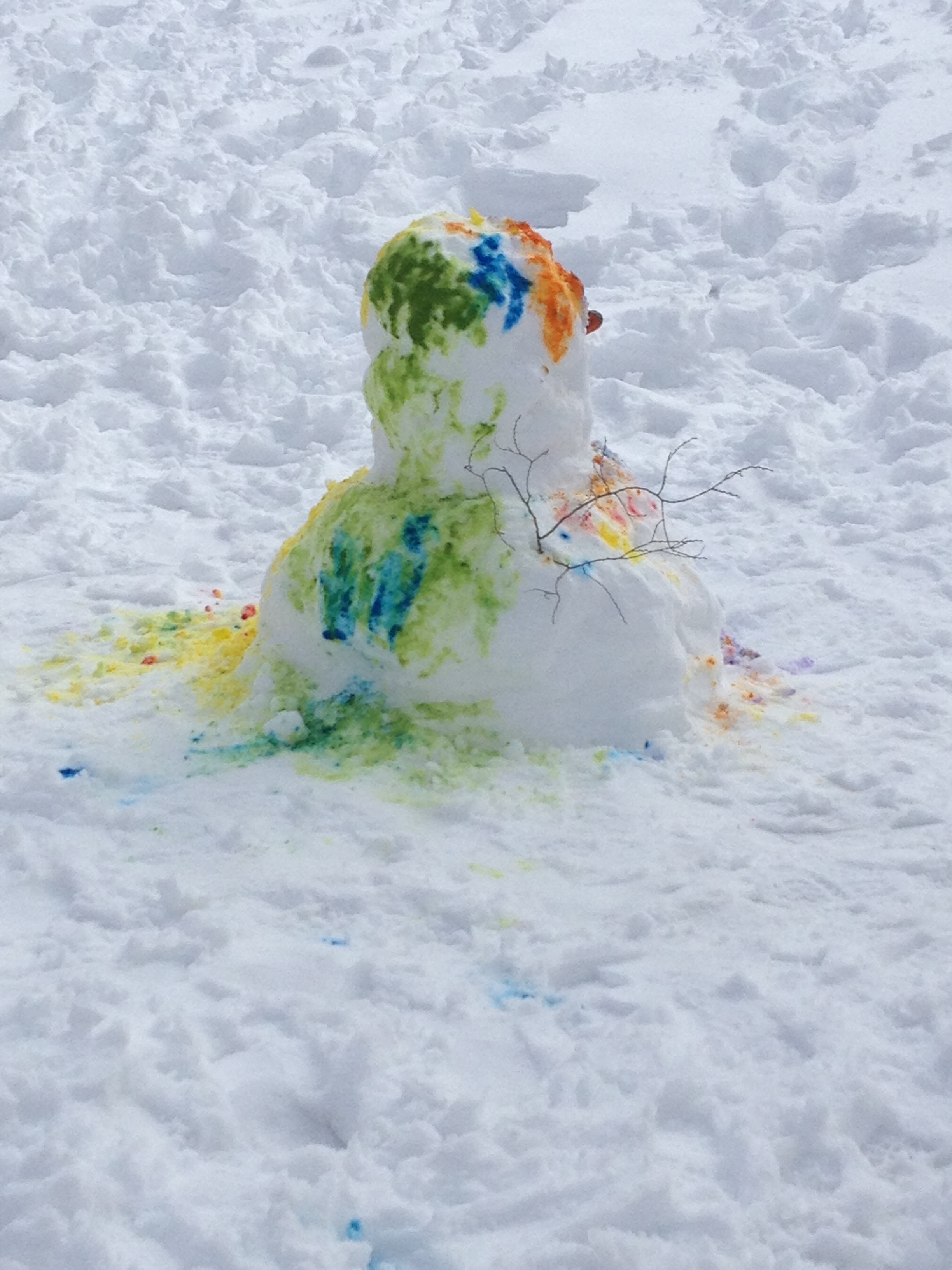
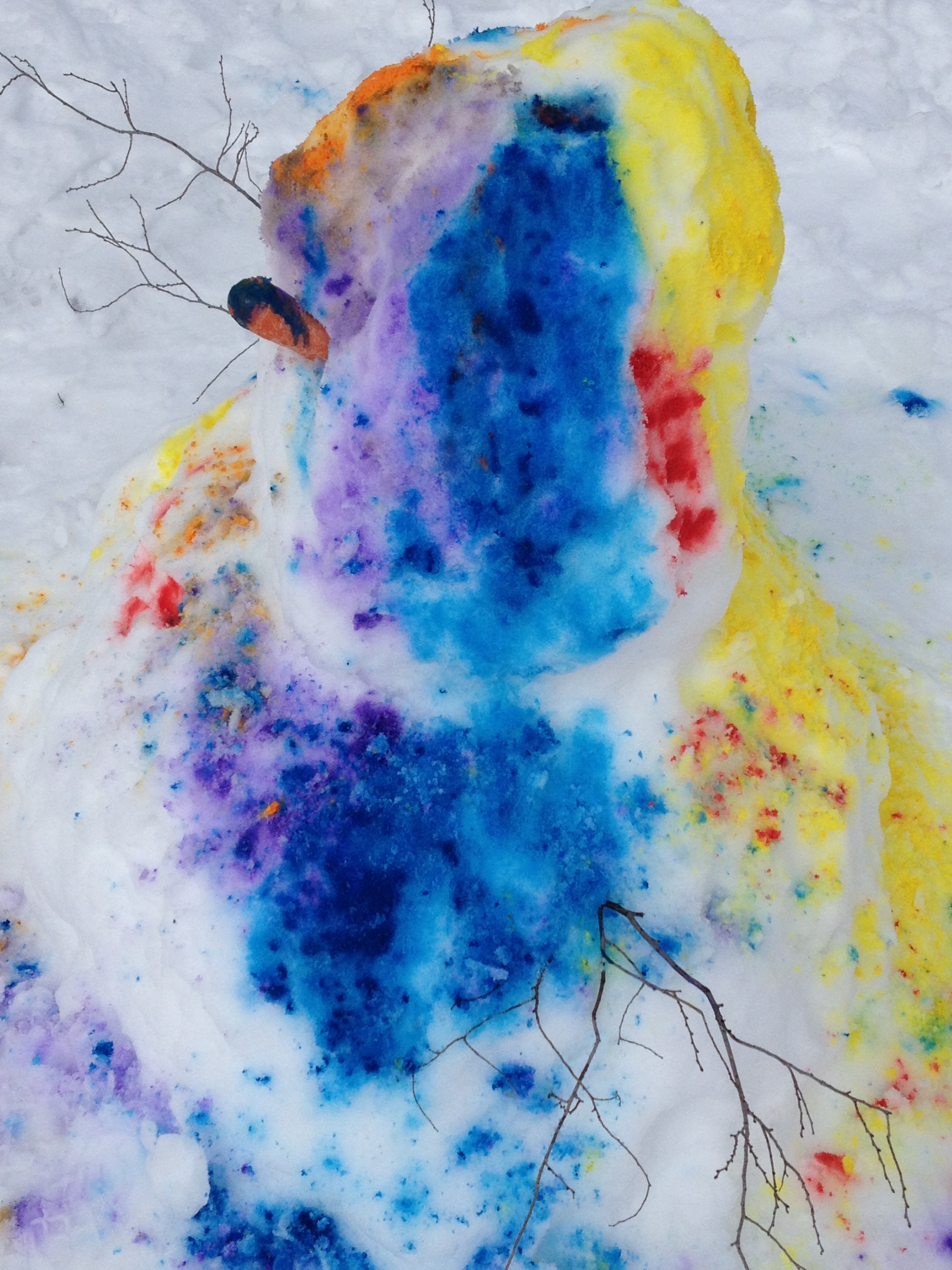
Preschoolers having fun painting the snowman with the colors of the rainbow. Earlier that day each child painted a rainbow because our theme of the week was, ‘The Itsy Bitsy Spider’.

The colors of the rainbow …thanks Miss Fareeda 🙂

ROYGBIV – Red, Orange, Yellow, Green, Blue, Indigo,Violet –

IMG_6163

Let the fun begin

IMG_6151 (2)

All the children got their painted brush and had fun making art

IMG_6156

the other side

IMG_6159

a closer look – even his carrot nose got a dose of paint:)

IMG_6158

How to make balls float – Science

Standard

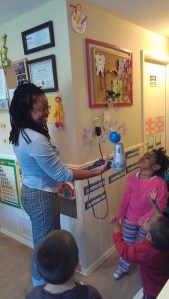
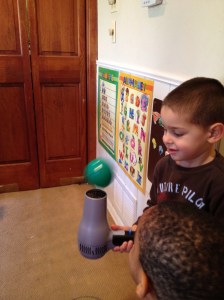
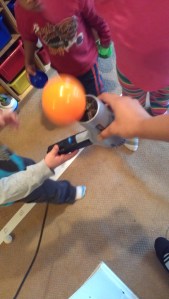
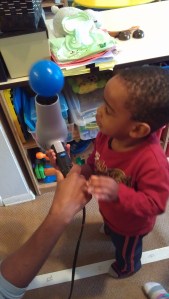
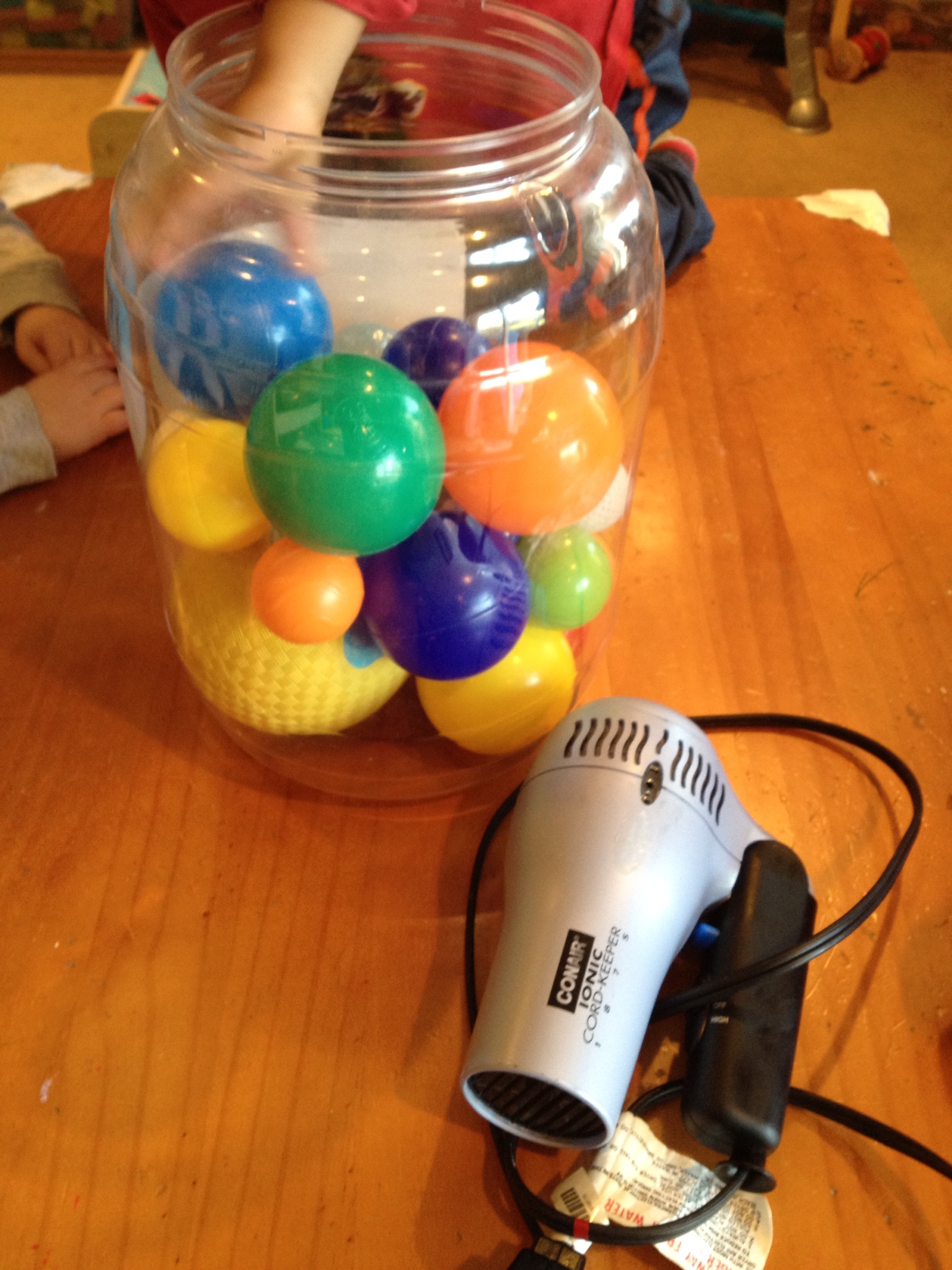
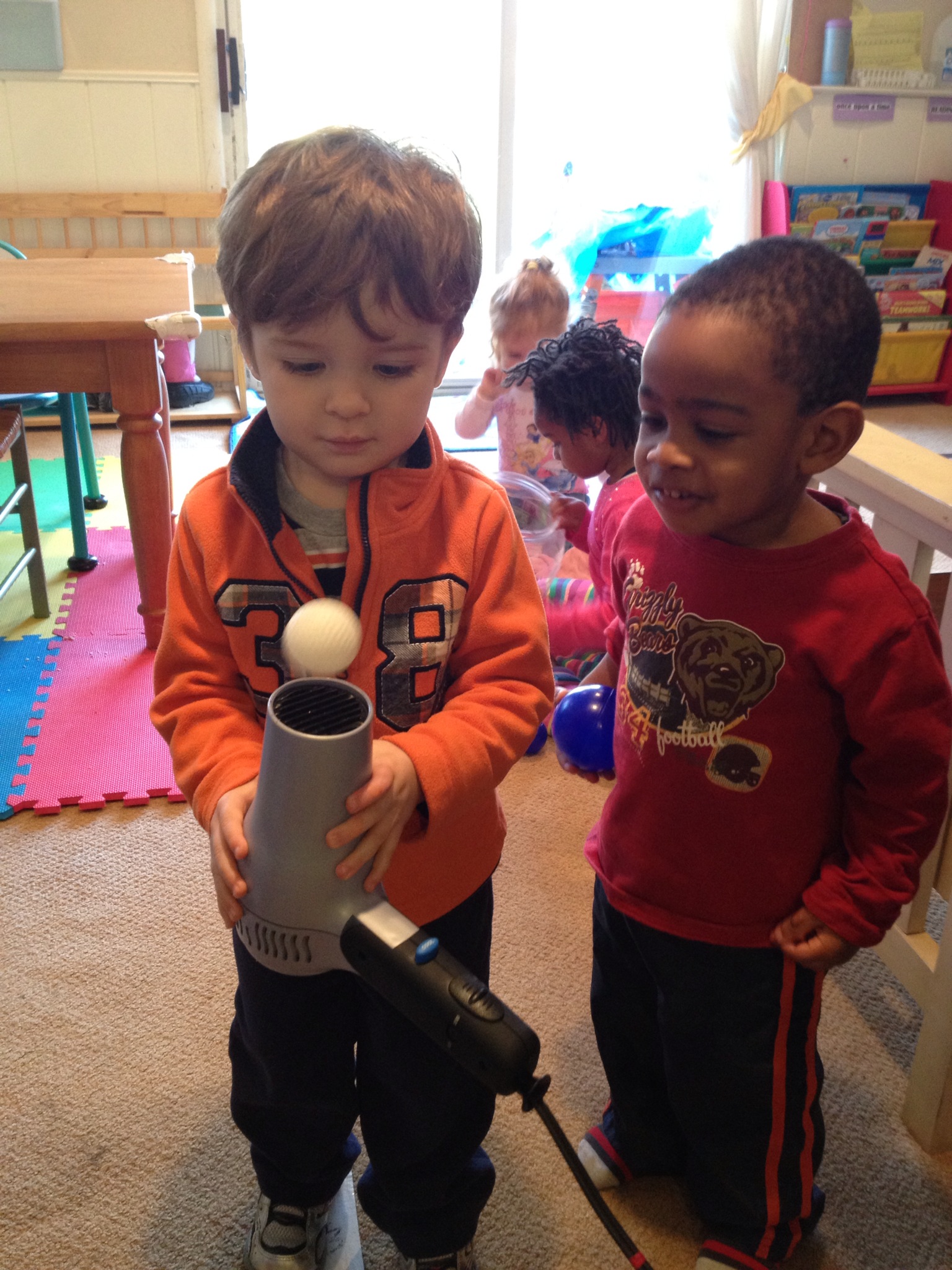
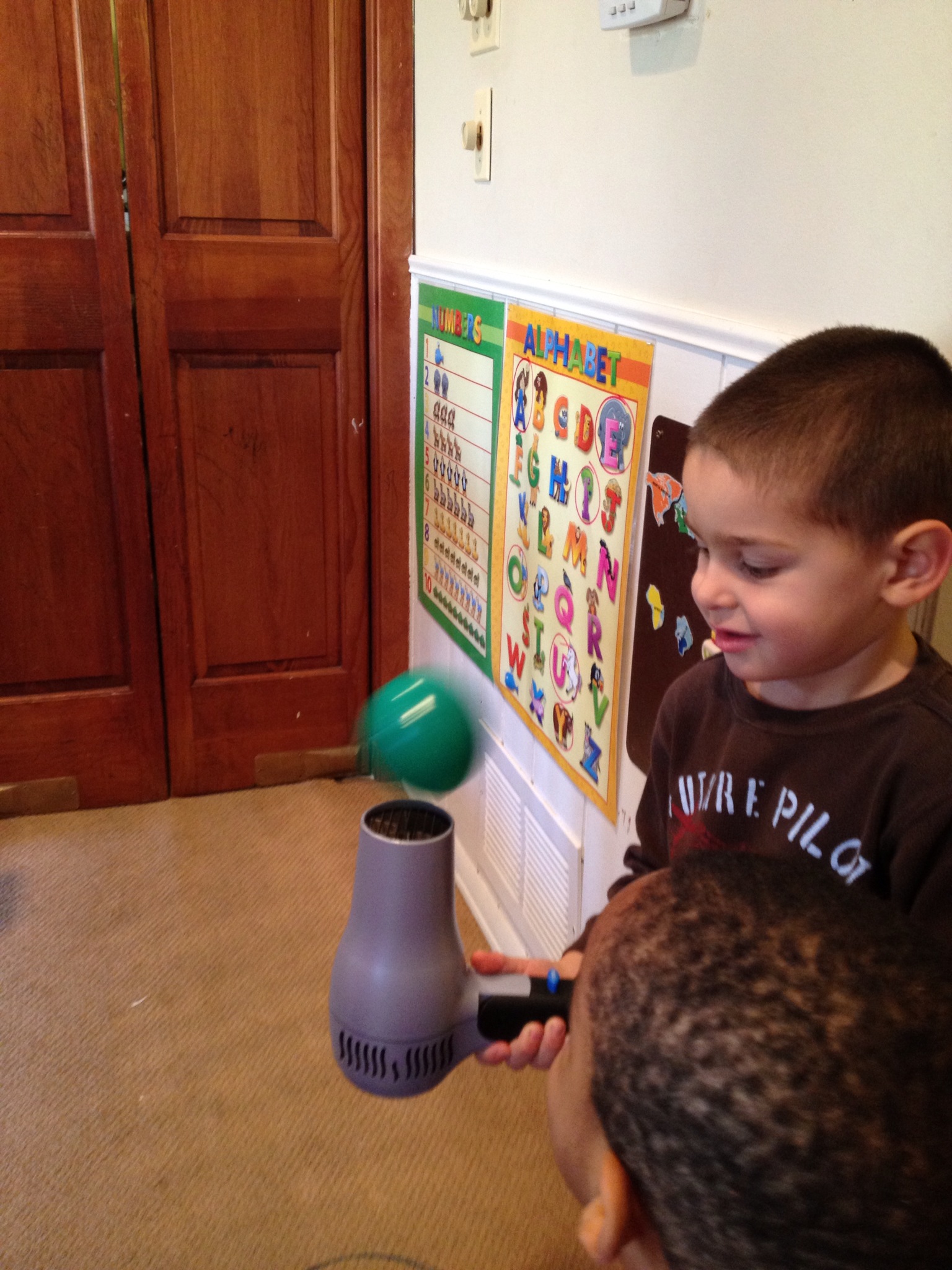
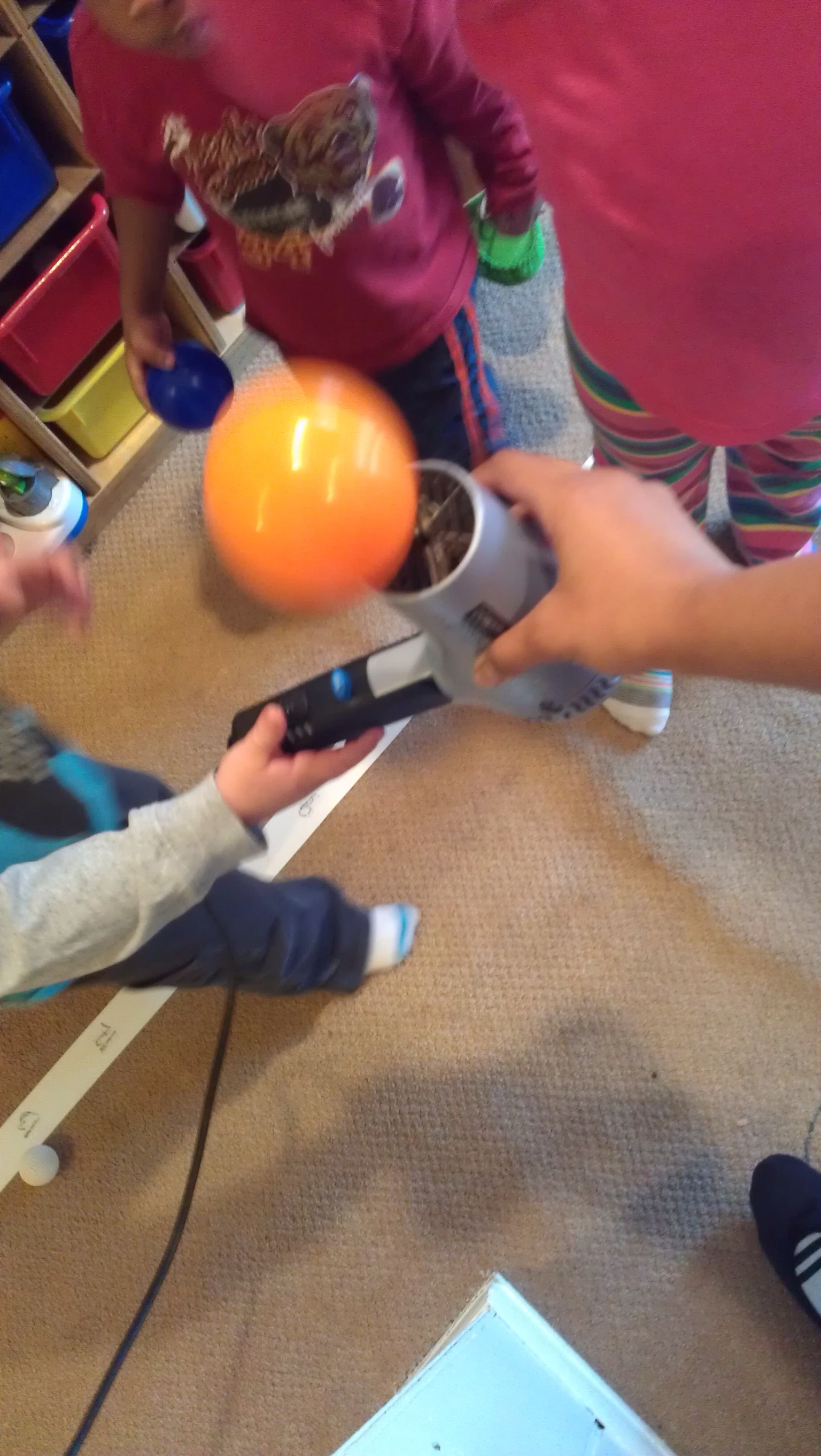
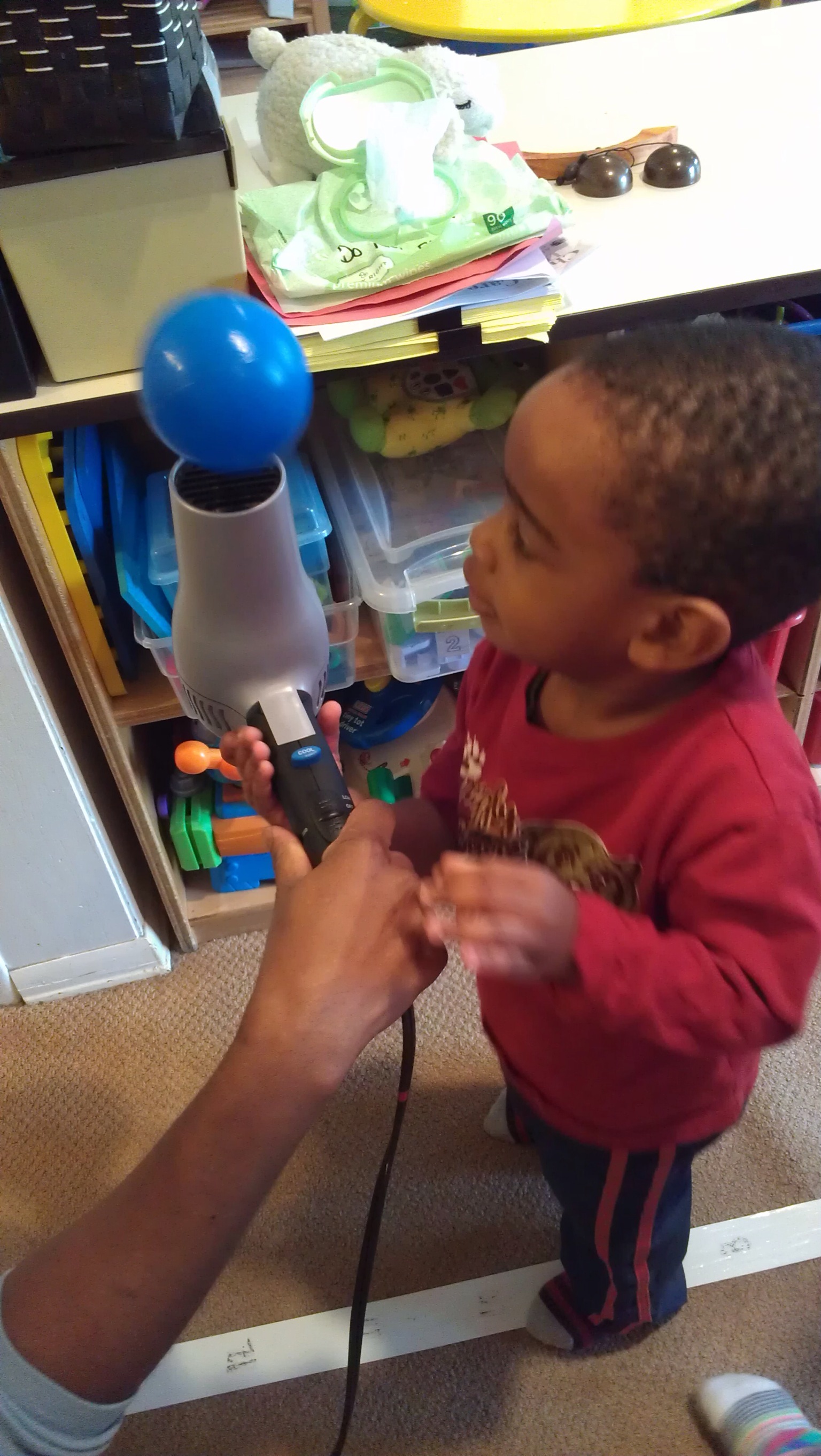
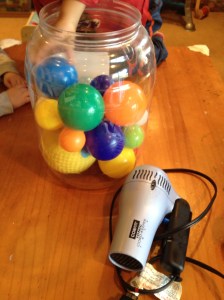
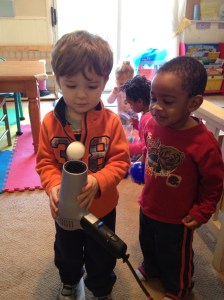
The purpose of this experiment is to allow the children to observe how balls float when the blow dryer is on. The blow dryer is turned on to the highest level and then the balls are placed over it. The air pressure from the blow dryer allows the ball to float. This experiment was such fun for the children. They continuously request this activity on science days.

Things needed:

Blow dryer with at least 2 settings – low and high

Light weight balls like the ones found in the bounce house or golf balls (I used the light weight balls)

Lots of little people

Before we began our exercise we asked the children to throw the balls up and watch what happened. They started playing ‘catch the ball’…which of course was fun for them.  After much playing of catch the ball we finally got to the science experiment, and since that day a ball and a blow dryer together has not been the same.

IMG_2874

Instructions

Plug in blow dryer of course, and place on highest setting

Add a ball above the blow dryer and …voilà!

For drama and fun which our little people like …add one or two more balls, and see what happens

Allow each child to take a turn
IMG_2869

Teacher demonstration

IMG_2887

Each child experienced the experiment …oh except one that was afraid of the sound
IMG_2886

IMG_2879

IMG_2889

IMG_2893

IMG_2892

Science is so much fun! It is never too early to begin  with  young children
Mittens and Insulation

Standard

Mittens and Insulation

Purpose : To see which mitten is a better insulator? Does layers keep us warm?

IMG_3060

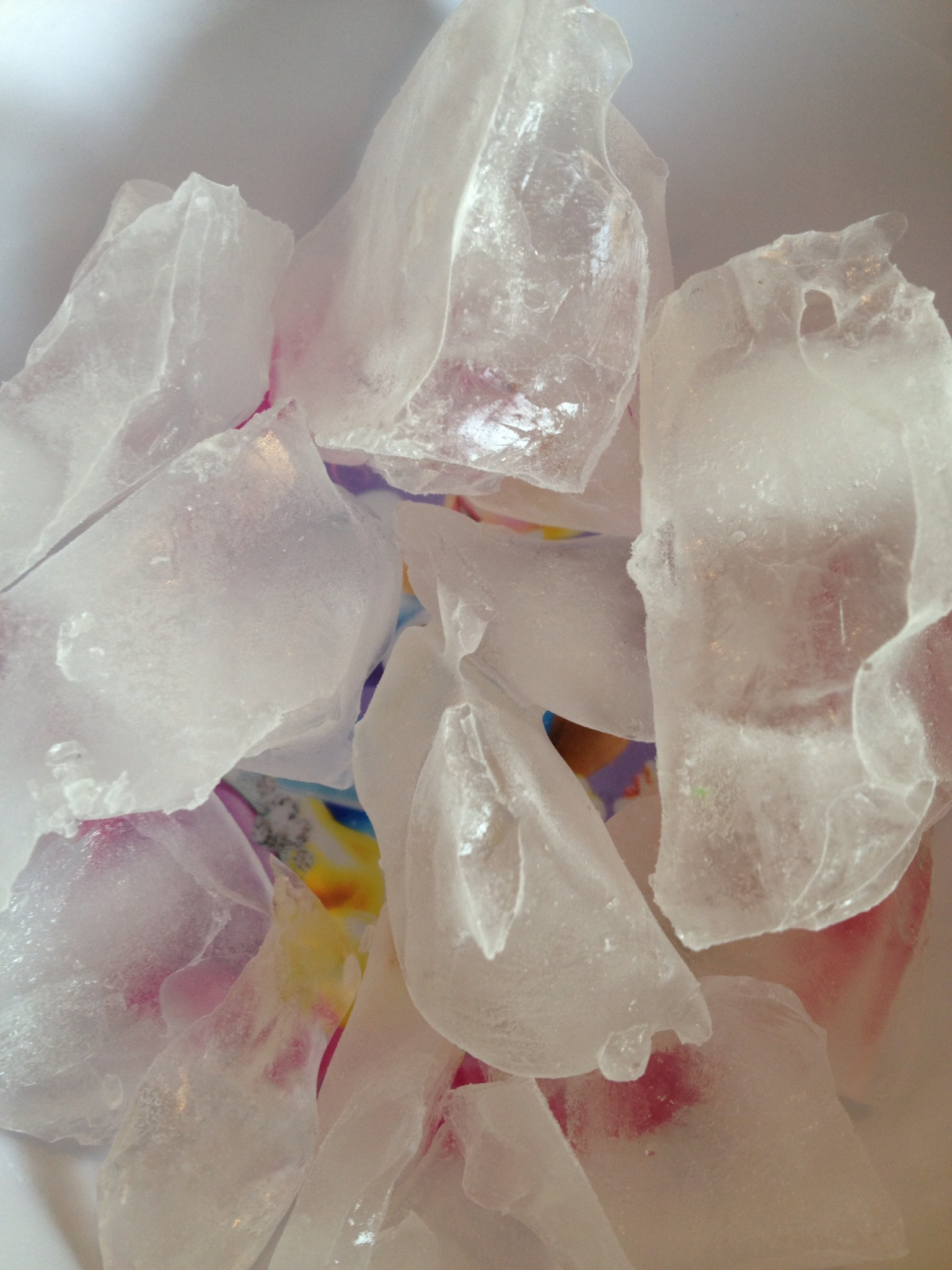
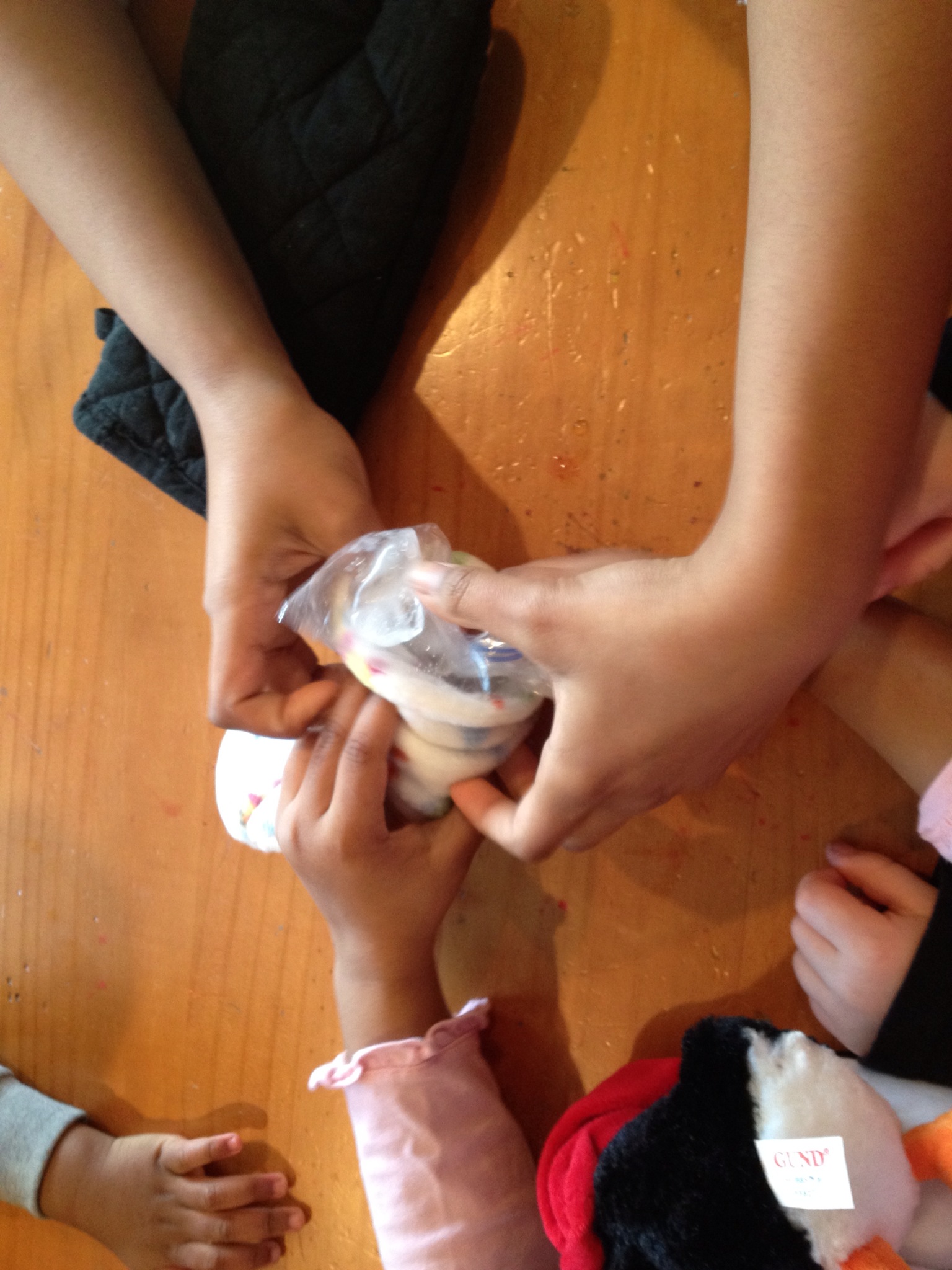
We placed a ziploc bag containing one ice cube in a mitten and set it aside

IMG_3070

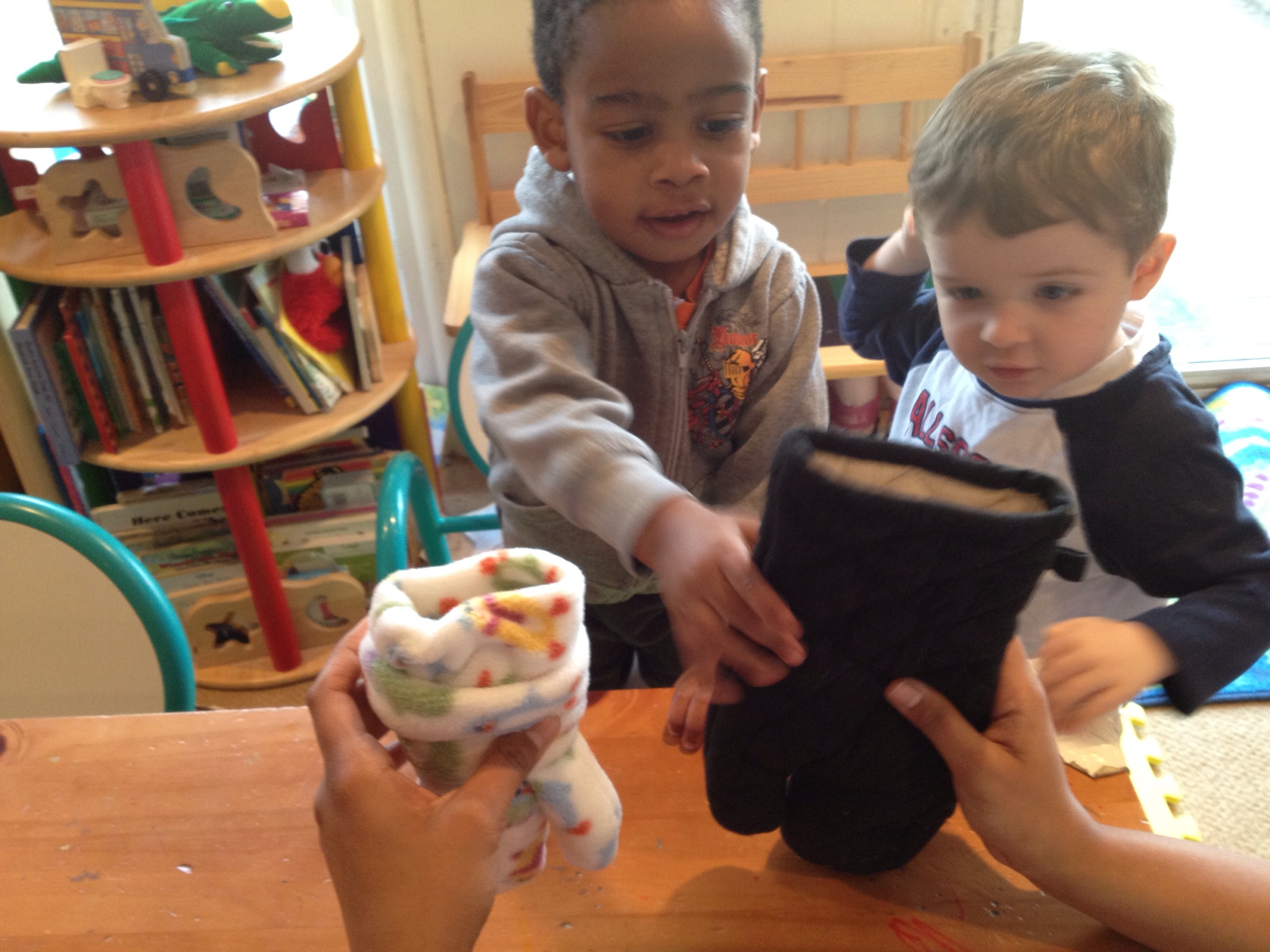
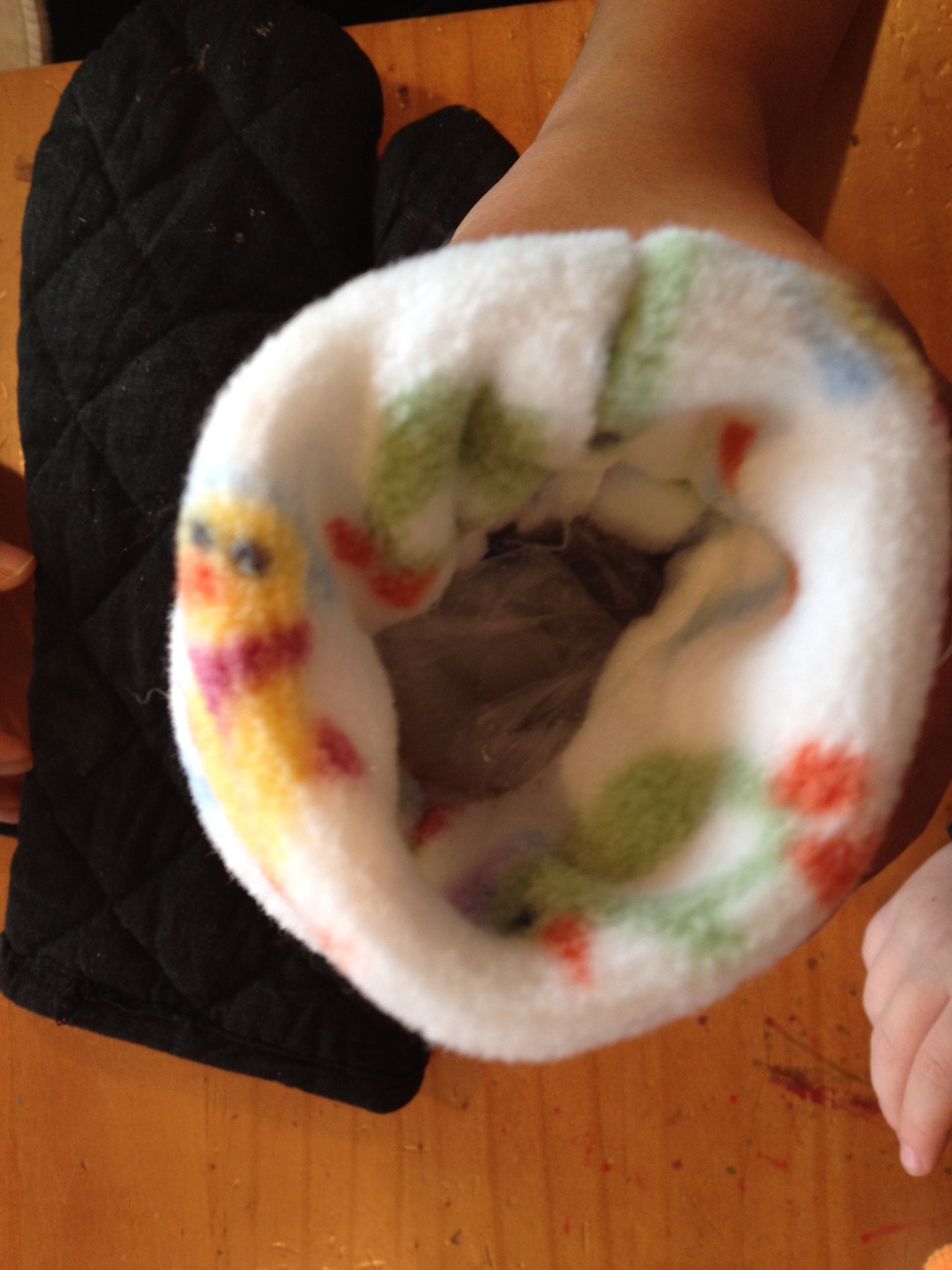
In another mitten we tucked the other pair of mitten inside along with the  ziploc containing one ice cube

IMG_3075

We then set the ice mittens aside for a few hours. We wanted to see if the ice dissolved or not.

IMG_3092

We discovered that the mitten that had more layers kept the ice from melting, and the ice in the mitten without layers melt at a faster rate .

IMG_3059

Conclusion: Layers are better insulation during the cold season.

IMG_3097