Primary Curriculum Goals Ages 2 years – 5 years Social & Emotional “The only way to have a friend is to be one.” Ralph Waldo Emerson
- Learn to separate from parents
- Gain self awareness and build and self-confidence
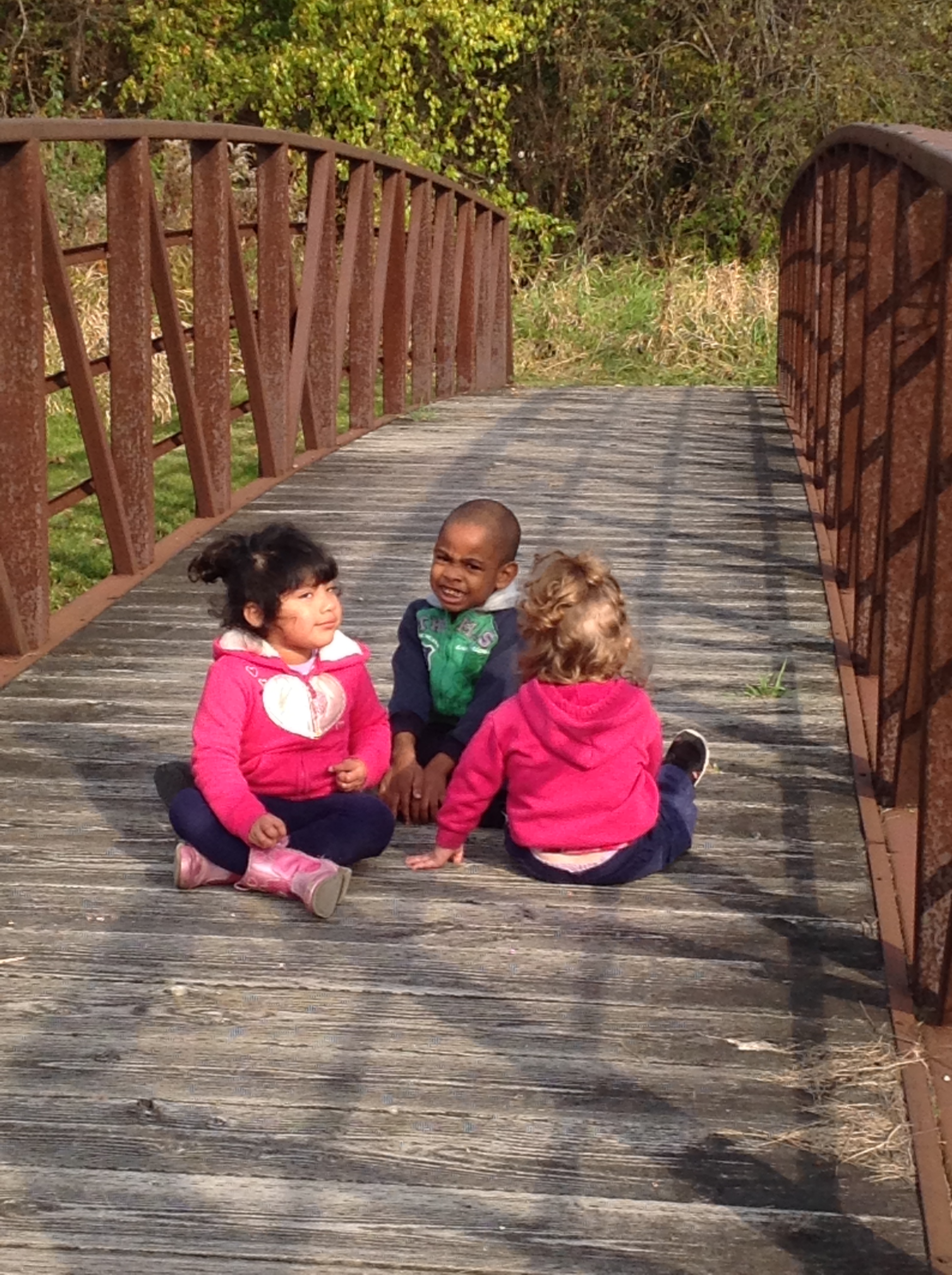
- Form friendships & engage in cooperative play successfully with peers
- Learn to make eye contact
- Express feelings and develop empathy
- Learn to positively negotiate & resolve conflicts
- Learn to regulate their emotions
- Observe classroom expectations and recognize reasons for rules
- Identify people around us and know the different community workers
- Understand that people are similar more than different
- Explore cultures and gain knowledge about their surroundings and the world around them.
- Encourage to be independence & autonomy
-
Language and Literacy
- Learn to develop speaking and listening skills
- Think independently and creatively
- Increase vocabulary
- Use sentences to build stories
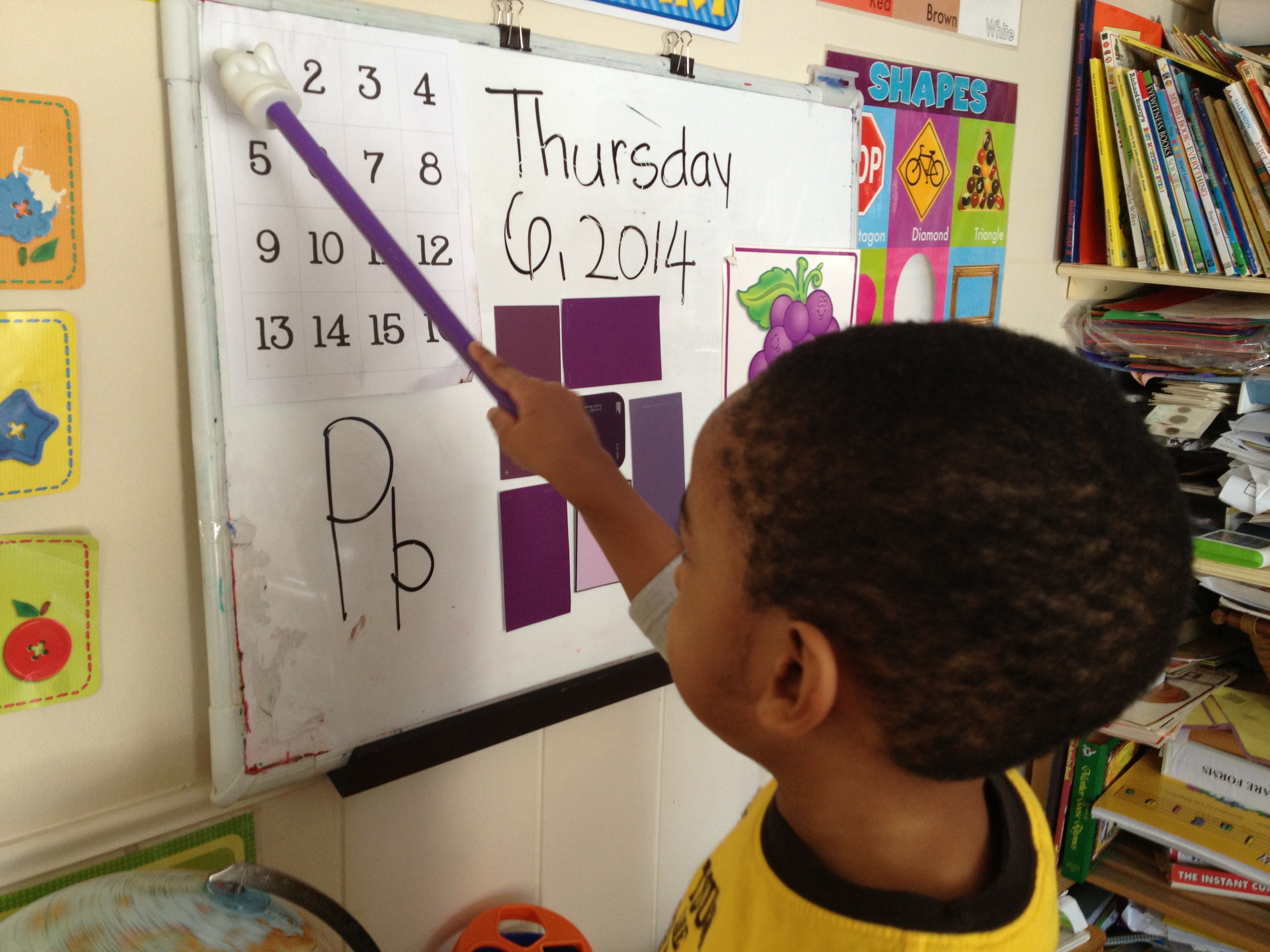
- Identifying letters capital then lower case
- Know the vowels
- Match letters and sounds
- Spell their names
- Develop phonemic awareness – know rhyming words and opposites
- We teach children to read (Children age 4 & 5 are reading level I)
- Use representational drawing to convey information

Physical Development
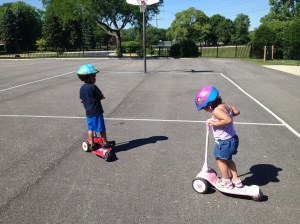
- To develop small and large motor skills through various appropriate activities.
- Develop body awareness and coordination

Logic, Mathematical & Science
- Number recognition 1 – 50 (depending on age)
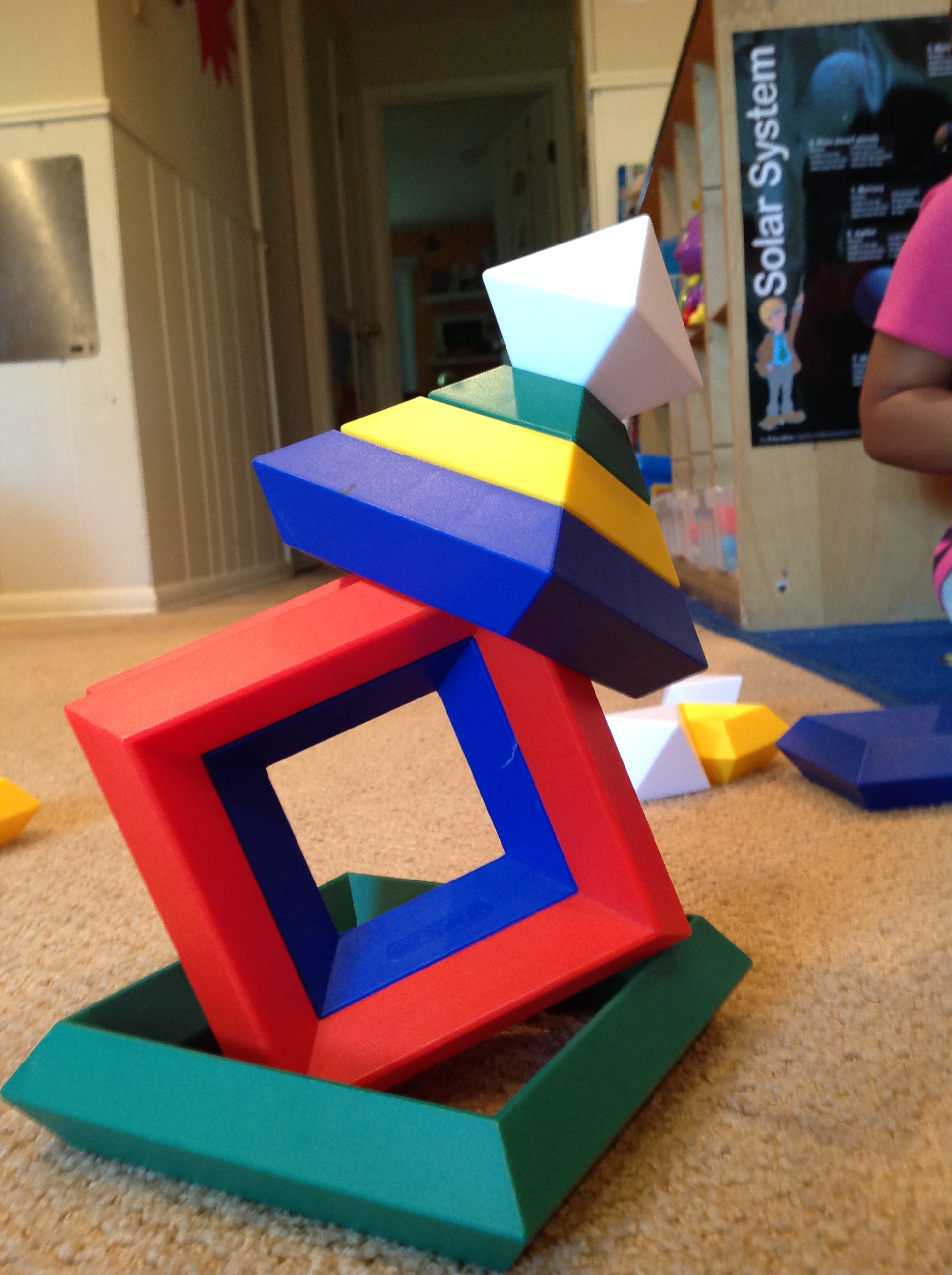
- Identify shapes, patterns and extend sequencing, use comparative terms small/large, big/bigger etc.
- Introduction to ordinal numbers (first, second, third, etc.) Pre-Kindergarten
- Construct a sense of time, night/day and seasons
- Sort and classify objects
- Extend patterns and sequences
- Make predictions based on observations
- Know vocabularies to describe weather
- Use their senses to explore
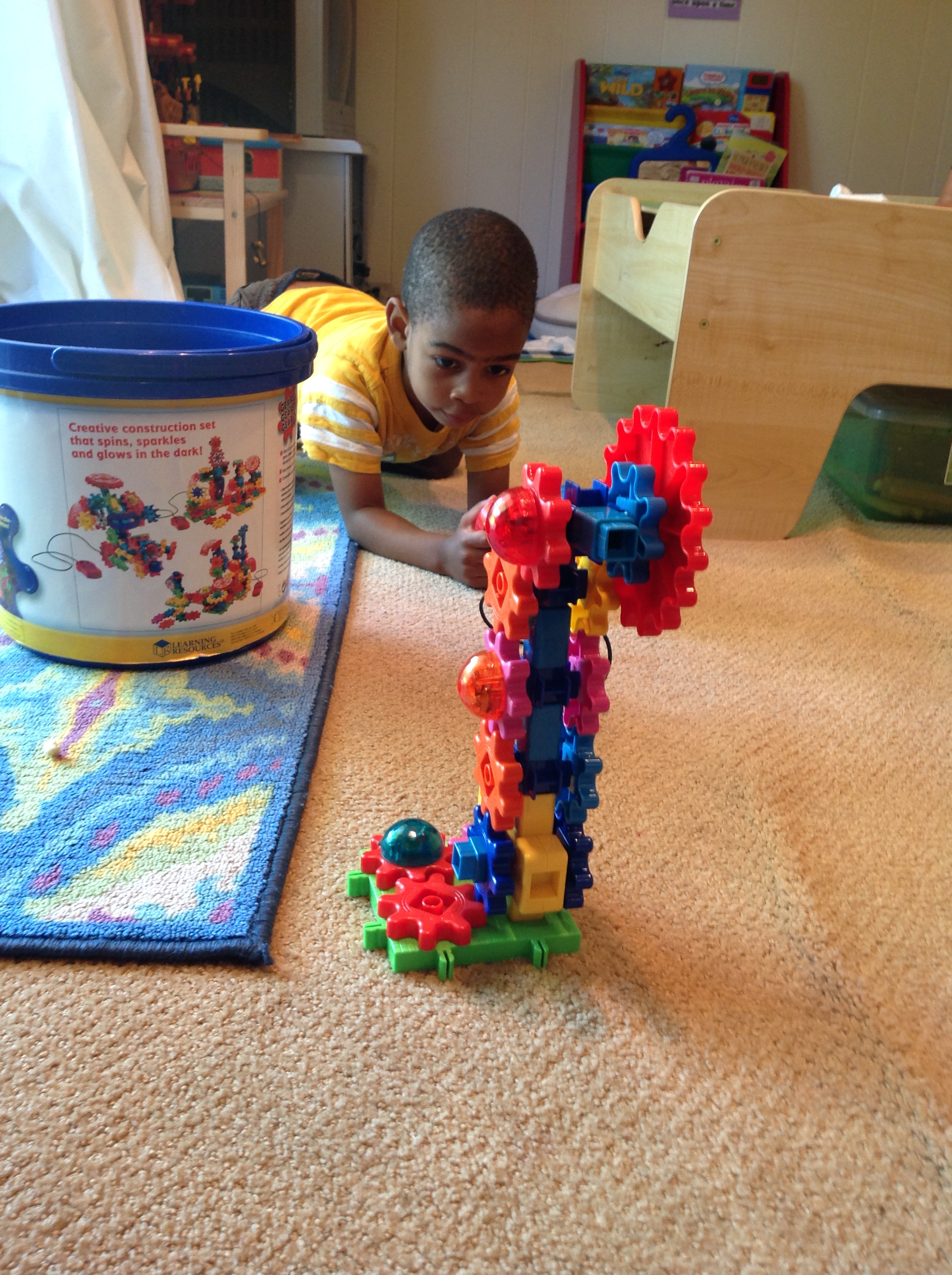
- Application of concepts and designs
- Familiarity with simple devices
- Classify living things
- Know food types
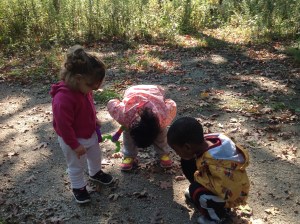
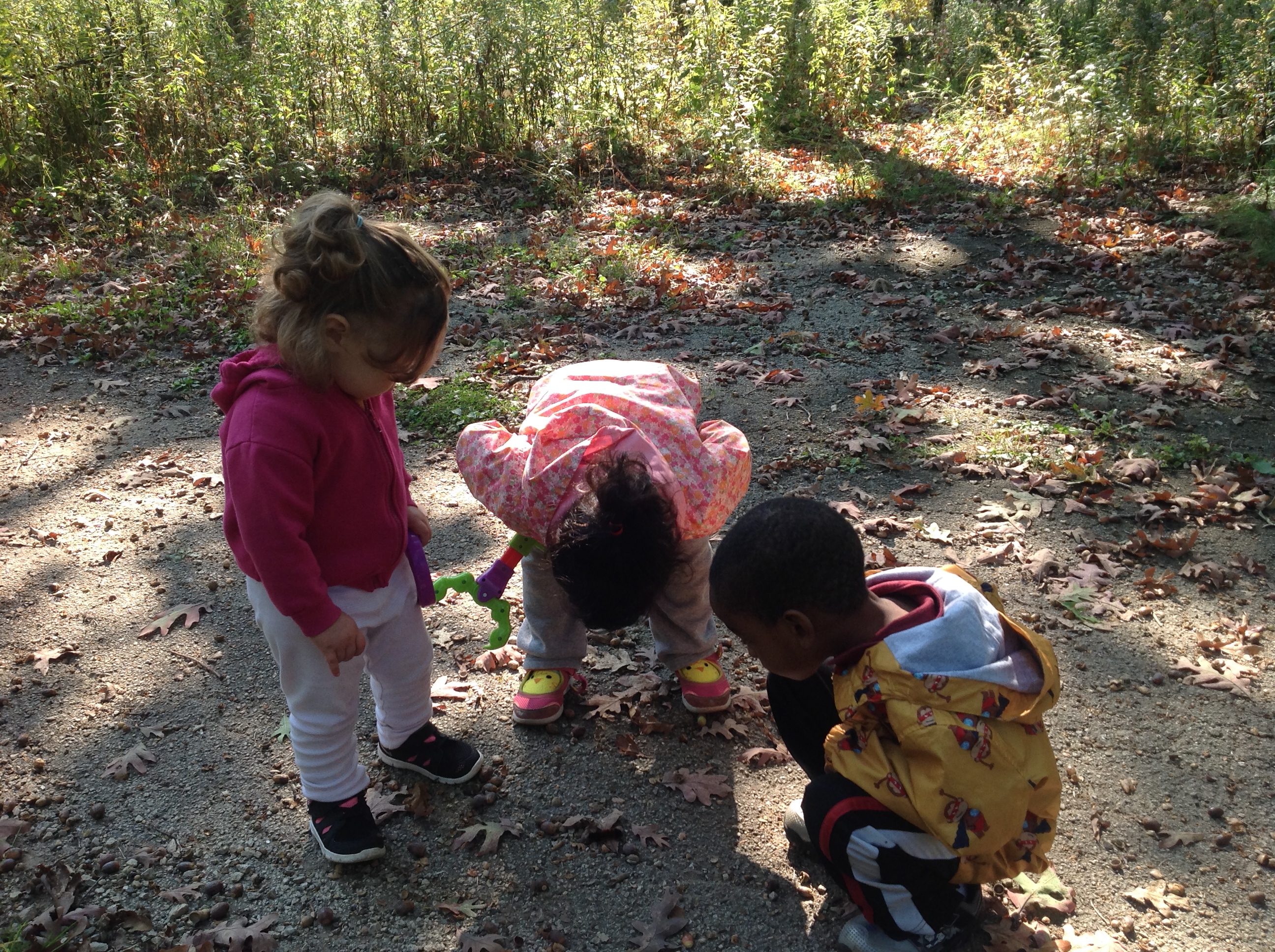
- Multi-sensory examination of rocks, shells, leaves, seeds, etc
- Feed their curious minds and ask questions about their surroundings.

Music Development
- Singing & Dancing
- Have an appreciation for music
- Identify different kinds of instruments
- Know the sound instruments make
- Learn to participate in dance moves and follow directions
- Use simply instruments to make melodies
Creative Arts
- Through sensory activities they are able to explore objects and materials utilizing their senses
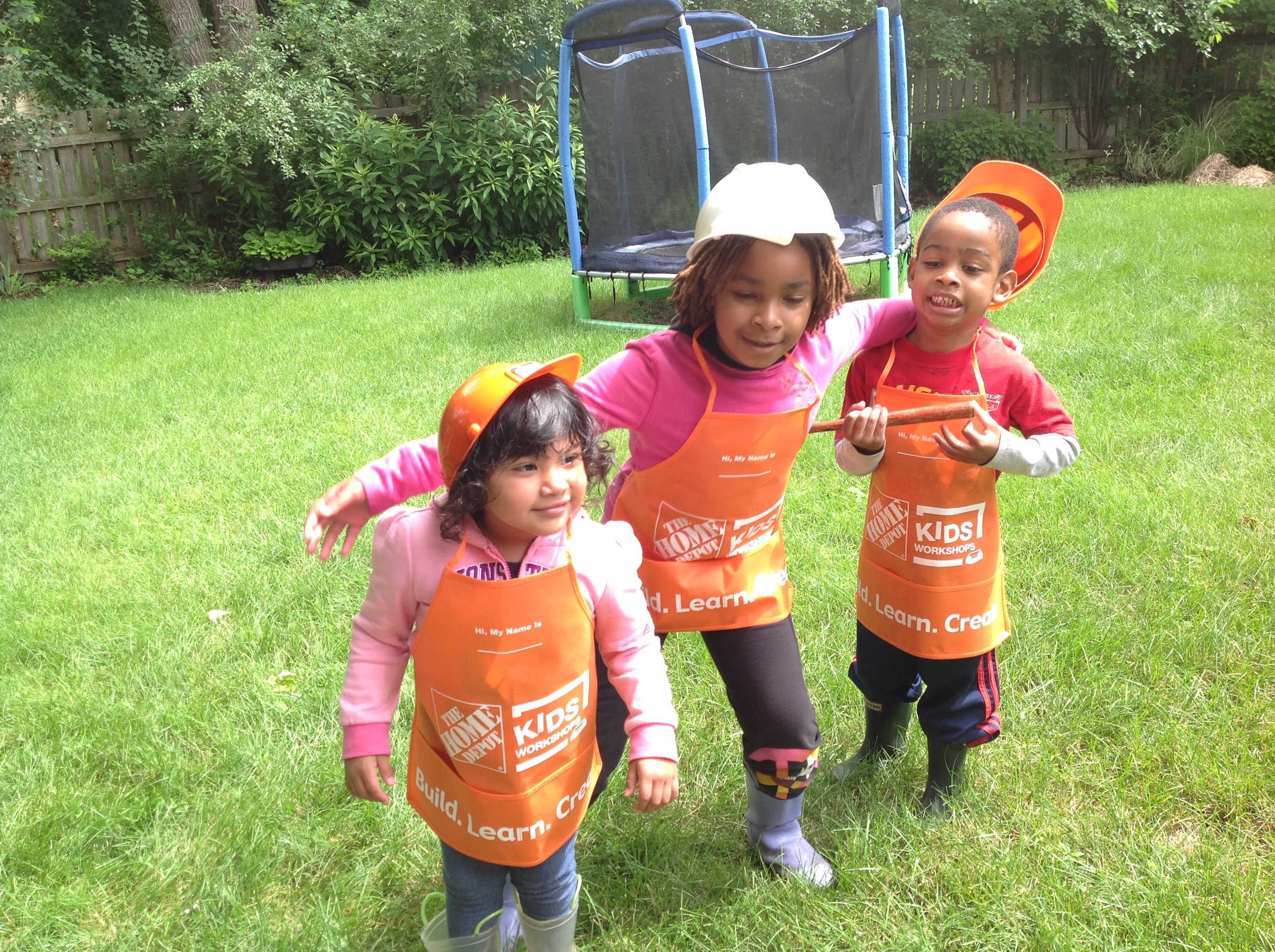
- Engage in dramatic play – role play and pretending
- Have self awareness and self concept
- Use art to make connection of the world around them
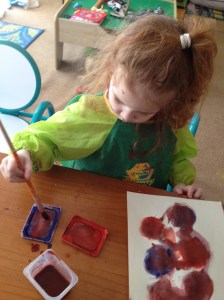
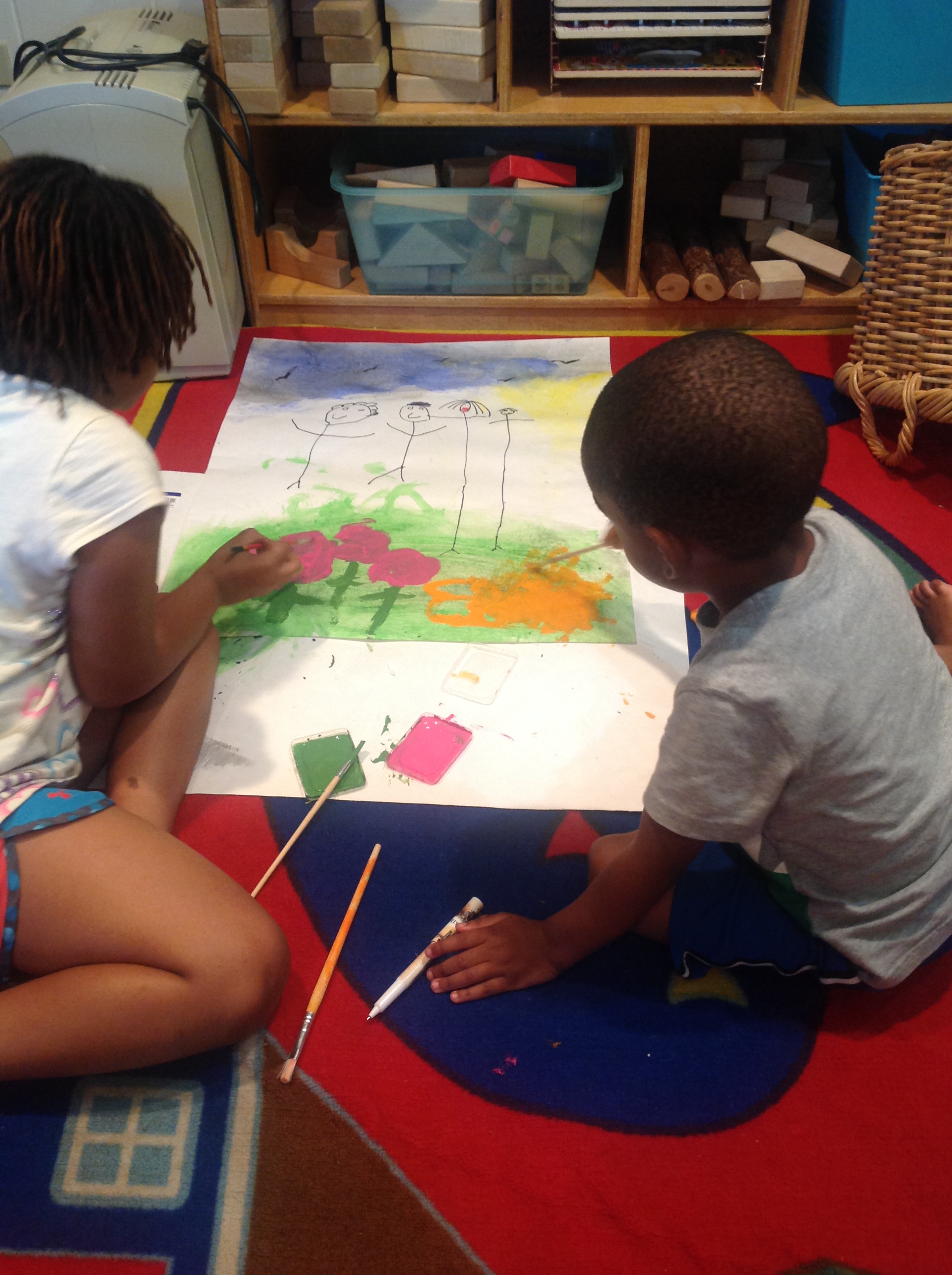
- Use painting, sculpting, gluing, theater, puppets, manipulative, dramatic play and cooking as creative forms of self-expression
- We have regular cooking classes where children get to make delicious food & learn pro-social skills

Family Involvement
- Build on children interest
- Partner with Lil’ Bebe Academy to potty train children
- Increase literacy skills by reading to their children everyday
- Plan family events with children (take them to libraries, museums, parks etc)
- Listen to their children and ask open ended questions
The Environment
- Develop hygiene – potty training & hand washing
- Use appropriate table manners
- Know how to take care of their environment and the toys around them
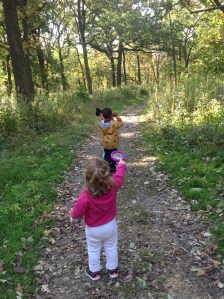
- Help children develop an appreciation for life and the world around us, they learn to respect plants and animals and gain understanding of the circle of life. We teach children gardening, conservation and recycling

Diversity / Anti-Bias Children continue to gain understanding and perspective of different cultures and their activities. We welcome everyone regardless of race and do not participate in biases. We provide books, read stories, explore cultures and take on projects which allow us to learn about different cultures and their traditions. However, as part of our anti-bias curriculum it is important for our children to feel comfortable and embrace their similarity and differences. For this reason we will not assume that all families celebrate all holidays in a similar manner, therefore activities or themes centered around holiday events will not be part of our school curriculum neither will we decorate the classroom. We ask that each family and child understand and show respect for the differences shared. Families are however; encourage to build on their child’s interest at home.
 Lil Bebe Academy